ABOUT THE PANCREAS INSTITUTE

The Pancreas Institute at Rajagiri Hospital was established to address a critical gap in pancreatic care. Pancreatic diseases — whether inflammatory, cystic, or neoplastic — are among the most complex conditions in gastroenterology and surgery. They demand precise diagnostics, highly specialized interventional endoscopy, and meticulous surgical expertise — often all in the same patient. Fragmented care across multiple departments leads to delays and suboptimal outcomes.

The Institute consolidates all aspects of pancreatic disease management — from initial evaluation to advanced therapeutics and structured follow-up — into a single, dedicated programme. Housed within the Center of Excellence in GI Sciences and led by Padma Shri awardee Dr. Philip Augustine, it draws on over three decades of institutional expertise in gastroenterology and HPB surgery.

This is not simply a new department. It is a philosophy of care: that the pancreas — an organ whose diseases demand the highest calibre of endoscopic, surgical, and oncological expertise — deserves a focused, protocol-driven, multidisciplinary centre.

WHAT MAKES
THE PANCREAS INSTITUTE UNIQUE

GUIDING PRINCIPLES

  • Evidence-based, protocol-driven management of every pancreatic condition.
  • Multidisciplinary tumour boards and joint case reviews for complex or malignant disease.
  • Minimally invasive approaches first — endoscopic and laparoscopic/robotic — reserving open surgery for cases that truly require it.
    Structured surveillance programmes for high-risk cysts, hereditary pancreatic cancer syndromes, and post-surgical patients.
  • Integrated pain management, nutritional rehabilitation, and psychosocial support.
  • Active clinical research to advance the science of pancreatic disease in the Indian context.

CONDITIONS WE TREAT

The Pancreas Institute provides comprehensive care across the full spectrum of pancreatic diseases, from common inflammatory conditions to rare neoplasms and congenital anomalies.

ACUTE PANCREATITIS+
  • • Gallstone pancreatitis — including emergency ERCP for biliary obstruction
  • • Alcohol-associated acute pancreatitis
  • • Hypertriglyceridaemia-induced pancreatitis
  • • Drug-induced and post-procedural pancreatitis
  • • Severe acute pancreatitis with organ failure — ICU-level care, step-up approach (percutaneous/endoscopic drainage before surgery)
  • • Pancreatic necrosis — walled-off necrosis (WON), infected necrosis
  • • Pancreatic pseudocysts
PANCREATIC CYSTS & PRE-MALIGNANT LESIONS+
  • • Intraductal papillary mucinous neoplasms (IPMN) — main-duct, branch-duct, and mixed-type
  • • Mucinous cystic neoplasms (MCN)
  • • Serous cystadenomas
  • • Solid pseudopapillary neoplasms (SPN)
  • • EUS-guided cyst fluid analysis (CEA, cytology, molecular markers)
  • • Risk stratification and surveillance protocols (ACG/AGA/European/Fukuoka guidelines)
PANCREATIC ENDOCRINE DISORDERS+
  • • Insulinoma and other functional PanNETs (gastrinoma, VIPoma, glucagonoma)
  • • MEN-1 syndrome screening and surveillance
  • • EUS-guided localisation and ethanol ablation of small functional tumours
CHRONIC PANCREATITIS+
  • • Idiopathic, alcoholic, hereditary, and tropical chronic pancreatitis
  • • Pancreatic duct stones and strictures — endoscopic and surgical management
  • • Pancreatic exocrine insufficiency (PEI) — diagnosis (faecal elastase) and enzyme replacement therapy
  • • Pancreatogenic (Type 3c) diabetes mellitus
  • • Chronic pain syndromes — multimodal pain management including EUS-guided coeliac plexus block/neurolysis
  • • Pancreatic duct disruptions and internal fistulae
  • • Autoimmune pancreatitis (Type 1 & Type 2) — diagnosis and immunosuppressive management
PANCREATIC CANCER & NEOPLASMS+
  • • Pancreatic ductal adenocarcinoma (PDAC) — resectable, borderline-resectable, locally advanced, and metastatic
  • • Pancreatic neuroendocrine tumours (PanNET) — functional and non-functional
  • • Ampullary and periampullary carcinomas
  • • Cystic neoplasms with malignant transformation
  • • EUS-guided tissue acquisition (FNA/FNB) for histopathological diagnosis
  • • Neoadjuvant and adjuvant chemotherapy coordination with medical oncology
  • • Palliative biliary and duodenal stenting for unresectable disease
OTHER PANCREATIC CONDITIONS+
  • • Pancreas divisum and other congenital anomalies
  • • Annular pancreas
  • • Pancreatic trauma
  • • Sphincter of Oddi dysfunction
  • • Post-surgical complications (pancreatic fistula, anastomotic stricture)

ADVANCED ENDOSCOPIC TREATMENTS

The Pancreas Institute offers the complete range of diagnostic and therapeutic endoscopic procedures for pancreatic and biliary diseases. All interventional endoscopy is performed by fellowship-trained gastroenterologists using the latest-generation endoscopic ultrasound platforms, video duodenoscopes, cholangioscopy systems (SpyGlass™), and lumen-apposing metal stents, within fully equipped endoscopy suites with anaesthesia and fluoroscopy support.

SURGICAL MANAGEMENT

THE STEP-UP APPROACH FOR INFECTED PANCREATIC NECROSIS
In line with current best evidence, the Pancreas Institute adopts the step-up approach for infected necrotising pancreatitis: starting with percutaneous catheter drainage (interventional radiology) -> escalating to endoscopic transmural drainage and direct endoscopic necrosectomy (gastroenterology) -> proceeding to minimally invasive surgical necrosectomy (VARD) only when less invasive steps fail. This multidisciplinary, staged strategy is associated with significantly lower morbidity and mortality compared to direct open surgical necrosectomy.

Pancreatic surgery is performed by Rajagiri Hospital’s experienced HPB and multi-organ transplant surgeons, in state-of-the-art operating theatres equipped with the Da Vinci Xi robotic surgical system, advanced laparoscopic instruments, and intraoperative ultrasound. All surgical decisions emerge from the Pancreas Institute’s multidisciplinary tumour board and are guided by international evidence-based protocols.

  • • Pancreaticoduodenectomy (Whipple procedure) — classical and pylorus-preserving
  • • Distal pancreatectomy with splenectomy — for body/tail tumours
  • • Total pancreatectomy — for extensive disease or hereditary cancer syndromes
  • • Spleen-preserving distal pancreatectomy — for benign and low-grade neoplasms
  • • Central pancreatectomy — for select mid-body lesions to preserve parenchyma
  • • Enucleation of pancreatic neuroendocrine tumours
  • • Vascular resection and reconstruction — superior mesenteric vein/portal vein resection in borderline-resectable PDAC
  • • Extended lymphadenectomy for pancreatic ductal adenocarcinoma

  • • Lateral pancreaticojejunostomy (modified Puestow / Partington–Rochelle) — for dilated pancreatic duct with stone disease
  • • Frey’s procedure — for head-dominant chronic pancreatitis with duct and parenchymal disease
  • • Beger’s procedure (duodenum-preserving pancreatic head resection)
  • • Berne modification of the Beger procedure
  • • Total pancreatectomy with islet auto-transplantation (TPIAT) — for refractory pain
  • • Surgical drainage of pancreatic pseudocysts — cystogastrostomy, cystojejunostomy

  • • Laparoscopic distal pancreatectomy
  • • Robotic pancreaticoduodenectomy (Da Vinci Xi platform)
  • • Robotic distal pancreatectomy with splenic preservation
  • • Laparoscopic/robotic enucleation of pancreatic tumours
  • • Minimally invasive pancreatic necrosectomy — video-assisted retroperitoneal debridement (VARD) as part of the step-up approach

  • • Pancreas transplantation — as part of Rajagiri’s multi-organ transplant programme
  • • Simultaneous pancreas–kidney transplantation (SPK)

  • • Surgical biliary bypass (hepaticojejunostomy) for malignant biliary obstruction
  • • Gastric bypass (gastrojejunostomy) for malignant duodenal/gastric outlet obstruction
  • • Surgical coeliac plexus block for intractable cancer pain

OUR EXPERT TEAM

The strength of the Pancreas Institute lies in its multidisciplinary team. Every complex case — whether a borderline-resectable pancreatic cancer, a complicated walled-off necrosis, or a diagnostic dilemma in a pancreatic cystic lesion — is discussed in a joint tumour board comprising gastroenterologists, HPB surgeons, interventional radiologists, medical and radiation oncologists, pathologists, and clinical nutritionists.

Dr. Philip Augustine

Director - Center of Excellence in Gastrointestinal Sciences
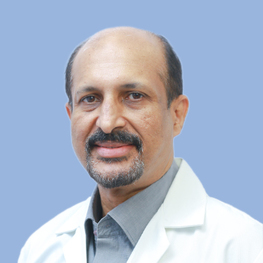
Dr. Rosh Varghese

HOD & Senior Consultant - Gastroenterology
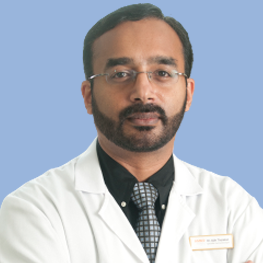
Dr. Ajit Tharakan

Senior Consultant - Gastroenterology

Dr. Rizwan Ahamed Z

Senior Consultant - Gastroenterology

Dr. S. Rajesh

Senior Consultant - Interventional Hepatobiliary Radiology

Dr. Byju Kundil

Senior Consultant - GI and HPB Surgery

Dr. Joseph George

Senior Consultant - GI, HPB and Multiorgan Transplant Surgery

© 2026 All Right Reserved by Rajagiri Healthcare & Education Project.