Is Robotic Surgery Safe? Benefits, Risks, and What Patients Should Know
Is Robotic Surgery Safe? Benefits, Risks, and What Patients Should Know
Robotic surgery has transformed modern healthcare by enabling surgeons to perform complex procedures with greater precision and control. As robotic-assisted procedures become increasingly common across specialties such as urology, gynecology, gastrointestinal surgery, cancer surgery, cardiac surgery, and organ transplantation, many patients ask an important question:
Is robotic surgery safe?
The short answer is yes. Robotic surgery is a well-established surgical approach that has been used worldwide for millions of procedures. When performed by trained surgeons in experienced robotic surgery centers, it offers several advantages, including smaller incisions, reduced blood loss, less pain, and faster recovery. However, like any surgical procedure, robotic surgery also carries certain risks that patients should understand before making treatment decisions.
What is Robotic Surgery?
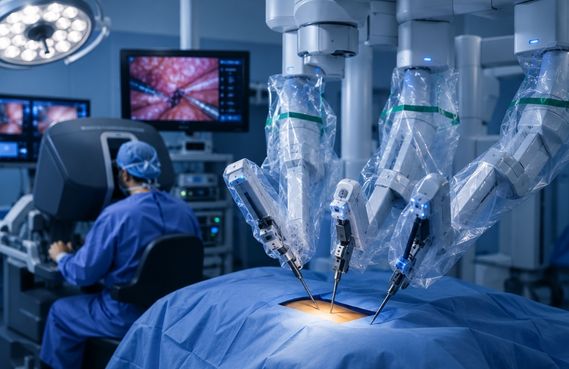
Robotic surgery, also known as robotic-assisted surgery, is an advanced form of minimally invasive surgery. During the procedure, the surgeon controls robotic instruments from a specialized console while viewing a magnified high-definition 3D image of the surgical area.
Contrary to a common misconception, the robot does not perform the surgery independently. Every movement is controlled by the surgeon in real time, allowing for enhanced precision, flexibility, and control during complex procedures.
How Safe is Robotic Surgery?
Robotic surgery is considered a safe and effective treatment option for many patients. It is widely used across multiple surgical specialties, including:
- Urology
- Gynecology
- Gastrointestinal Surgery
- Liver Surgery
- Cancer Surgery
- Cardiac Surgery
- Pediatric Surgery
Studies and clinical experience have shown that robotic-assisted surgery can provide outcomes comparable to or better than traditional open surgery for selected patients and procedures. The technology enables surgeons to perform delicate operations through small incisions while maintaining exceptional surgical precision.
The safety of robotic surgery depends on several factors:
- Surgeon expertise
- Hospital infrastructure
- Patient selection
- Type and complexity of the procedure
- Comprehensive pre-operative evaluation
Benefits of Robotic Surgery
1. Enhanced Surgical Precision
Robotic systems provide highly precise instrument control and enhanced dexterity, allowing surgeons to perform complex procedures in confined anatomical spaces.
2. Smaller Incisions
Most robotic procedures are performed through small incisions rather than large surgical openings. This can reduce tissue trauma and improve cosmetic outcomes.
3. Reduced Blood Loss
The precision of robotic surgery may help minimize bleeding during surgery and reduce the likelihood of blood transfusions in selected cases.
4. Lower Risk of Infection
Smaller incisions and minimally invasive techniques are associated with a lower risk of surgical site infections compared with traditional open surgery in many procedures.
5. Faster Recovery
Many patients experience shorter hospital stays and a quicker return to normal activities following robotic-assisted procedures.
6. Less Postoperative Pain
Because robotic surgery is minimally invasive, patients often experience less discomfort during recovery compared with open surgical approaches.
Are There Any Risks Associated with Robotic Surgery?
While robotic surgery is generally considered safe, no surgical procedure is entirely risk-free.
Potential risks may include:
- Bleeding
- Infection
- Reactions to anesthesia
- Injury to surrounding tissues
- Conversion to open surgery if necessary
- Rare technical or equipment-related issues
It is important to understand that these risks are not unique to robotic surgery and can also occur in traditional or laparoscopic procedures. Experienced surgical teams are trained to manage these situations effectively.
Is Robotic Surgery Safer Than Traditional Surgery?
The answer depends on the specific procedure and patient condition.
For many operations, robotic-assisted surgery offers advantages such as:
- Better visualization of the surgical field
- Greater instrument flexibility
- Reduced blood loss
- Smaller scars
- Faster recovery
However, the most appropriate surgical approach should always be determined after consultation with an experienced surgeon who can evaluate the patient's individual needs.
Who is a Good Candidate for Robotic Surgery?
Robotic surgery may be considered for patients requiring treatment for:
- Prostate cancer
- Kidney tumors
- Gynecological conditions
- Hernias
- Colorectal disorders
- Liver diseases
- Certain cardiac conditions
- Selected cancer surgeries
Not every patient is a suitable candidate. A detailed clinical assessment is necessary to determine the safest and most effective treatment option.
Why Surgeon Experience Matters
The safety and success of robotic surgery depend significantly on the expertise of the surgical team.
Patients should look for:
- Experienced robotic surgeons
- Advanced robotic technology
- Comprehensive multidisciplinary care
- Dedicated postoperative support
- Proven clinical outcomes
Choosing an established robotic surgery center can play a major role in achieving the best possible treatment results.
Why Choose Rajagiri Hospital for Robotic Surgery in Kochi, Kerala?
Rajagiri Hospital is one of the leading centers for robotic-assisted surgery in Kerala, offering advanced robotic surgical care across multiple specialties.
Our robotic surgery program supports:
- Robotic Urology
- Robotic Gastrointestinal Surgery
- Robotic Liver Surgery and Transplant
- Minimally Invasive and Robotic Gynecology
- Robotic Oncosurgery
- Robotic Joint Replacement
- Robotic Pediatric Surgery
- Robotic-Assisted Cardiac Surgery
With experienced specialists, advanced surgical technology, and a patient-centered approach, Rajagiri Hospital is committed to providing safe, precise, and effective robotic-assisted treatment for patients from Kochi, Kerala, and across India.
Frequently Asked Questions
Is robotic surgery performed by a robot alone?
No. The surgeon remains in complete control of the robotic system throughout the procedure.
Is robotic surgery painful?
Most patients experience less postoperative pain compared to traditional open surgery.
How long does recovery take?
Recovery varies depending on the procedure, but many patients recover faster than with conventional surgery.
Is robotic surgery available in Kerala?
Yes. Advanced robotic-assisted surgical procedures are available at Rajagiri Hospital, Kochi, across multiple specialties.