Recovery After Laser Angioplasty
Recovery After Laser Angioplasty
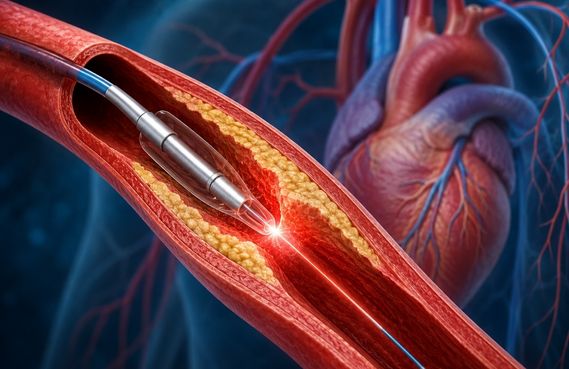
Laser angioplasty is an advanced minimally invasive cardiac procedure used to treat blocked or narrowed coronary arteries. Compared to traditional open-heart surgery, recovery after laser angioplasty is generally faster, smoother, and less physically demanding for patients. Understanding the recovery process, expected healing timeline, lifestyle adjustments, and post-procedure care can help patients regain confidence and safely return to their daily activities.
At Rajagiri Hospital, patients undergoing advanced laser angioplasty treatment in Kochi, Kerala, receive comprehensive recovery support, continuous monitoring, and personalized cardiac rehabilitation guidance designed to promote long-term heart health and well-being.
What Is Recovery Like After Laser Angioplasty?
Most patients notice a significant improvement in blood flow and heart function shortly after the procedure. Because laser angioplasty is minimally invasive, recovery is typically much faster than with coronary artery bypass surgery. Following the procedure, patients are monitored in the hospital for a short period before being discharged with detailed medical instructions and follow-up care plans.
Immediate Recovery After Angioplasty
After the procedure, patients are transferred to a recovery area where the cardiac care team closely monitors heart rate, blood pressure, oxygen levels, blood circulation, and the catheter insertion site. Depending on the complexity of the procedure and the patient's overall heart condition, hospitalization usually lasts between 24 and 72 hours.
Laser Angioplasty Recovery Time
One of the major advantages of laser angioplasty is its shorter recovery period and quicker return to normal activities. During the first 24 hours, patients are encouraged to rest while being monitored closely. Mild soreness around the catheter insertion site is common, and gradual movement is usually encouraged.
During the first week, many patients can resume light daily activities and are encouraged to walk regularly to improve circulation. Heavy lifting and strenuous activities should still be avoided during this period. Within two to four weeks, most patients are able to return to their normal routines as energy levels gradually improve. Cardiac rehabilitation programs may also begin during this phase to support recovery and strengthen cardiovascular health.
The exact recovery timeline varies depending on several factors, including the severity of artery blockage, the patient's age, overall heart function, existing medical conditions such as diabetes or hypertension, and lifestyle habits.
Common Symptoms During Recovery
Mild discomfort during recovery is normal and usually temporary. Some patients may experience fatigue, minor bruising, soreness around the catheter insertion site, temporary weakness, or emotional stress and anxiety. These symptoms generally improve as healing progresses.
However, patients should seek immediate medical attention if they experience severe chest pain, difficulty breathing, excessive bleeding from the catheter site, fever, or an irregular heartbeat, as these may indicate complications requiring prompt evaluation.
Life After Angioplasty
Many patients wonder whether they can return to a normal lifestyle after angioplasty. In most cases, the answer is yes. With proper medical care, regular follow-up, and healthy lifestyle modifications, patients can lead active and fulfilling lives after treatment.
Laser angioplasty helps improve blood circulation, relieve symptoms, and reduce the risk of future cardiac complications. However, long-term success depends on maintaining heart-healthy habits and following medical advice consistently.
Lifestyle Changes After Angioplasty
Adopting healthy lifestyle habits is essential for protecting heart health after treatment. Patients are encouraged to follow a balanced heart-friendly diet rich in fruits, vegetables, whole grains, lean proteins, and low-fat foods while reducing salt intake.
Regular physical activity also plays an important role in recovery and long-term cardiovascular health. Depending on individual health status, doctors may recommend walking, light aerobic exercises, or structured cardiac rehabilitation programs.
Patients who smoke should quit as smoking significantly increases the risk of future artery blockages and cardiovascular disease. Managing stress through relaxation techniques, meditation, adequate sleep, and emotional support can further contribute to successful recovery and improved quality of life.
Importance of Cardiac Rehabilitation
Cardiac rehabilitation is a valuable part of the recovery process after angioplasty. These specialized programs are designed to improve heart function, increase physical strength, reduce future cardiac risks, and support emotional well-being.
At Rajagiri Hospital, patients receive personalized rehabilitation plans and ongoing guidance to help them adopt healthy habits and maintain long-term cardiovascular health.
Medications After Laser Angioplasty
Following the procedure, doctors may prescribe medications to prevent blood clots, manage blood pressure, lower cholesterol levels, and improve heart function. Taking medications exactly as prescribed is essential for preventing complications and ensuring long-term treatment success.
Patients should also attend all scheduled follow-up appointments so that their recovery can be monitored effectively.
Follow-Up Care After Angioplasty
Regular follow-up care plays a critical role in ensuring successful recovery and preventing future complications. During follow-up visits, doctors may perform tests such as electrocardiograms (ECG), echocardiograms, blood tests, stress tests, and medication reviews to assess heart function and monitor progress.
Ongoing monitoring helps ensure that treated arteries remain open and that any concerns are addressed at an early stage.
Benefits of Faster Recovery with Laser Angioplasty
Compared to traditional open-heart surgery, laser angioplasty offers several recovery-related advantages. Because the procedure requires only a small incision, patients typically experience less pain, minimal blood loss, shorter hospital stays, and a faster return to daily life. The minimally invasive nature of the treatment also contributes to a lower risk of complications and improved overall patient comfort.
These benefits make laser angioplasty an effective treatment option for appropriately selected cardiac patients.
Advanced Recovery Support at Rajagiri Hospital
Rajagiri Hospital provides comprehensive cardiac recovery services for patients undergoing advanced coronary interventions. Our experienced cardiologists, modern monitoring facilities, dedicated rehabilitation programs, and patient-centered approach ensure that every patient receives the support needed for a safe and successful recovery.
Patients seeking information about recovery after angioplasty, laser angioplasty recovery time, life after angioplasty, or laser angioplasty treatment in Kochi, Kerala, can rely on Rajagiri Hospital for expert cardiac care, advanced treatment options, and long-term heart health support.
Frequently Asked Questions
How long does recovery after angioplasty take?
Most patients recover within a few days to a few weeks, depending on their overall health, heart condition, and the complexity of the procedure.
Is laser angioplasty recovery faster than bypass surgery?
Yes. Because laser angioplasty is a minimally invasive procedure, recovery is generally much faster and less physically demanding than recovery after open-heart bypass surgery.
Can patients walk after angioplasty?
Yes. Light walking is usually encouraged shortly after the procedure as it helps improve blood circulation and supports recovery.
What lifestyle changes are important after angioplasty?
Following a heart-healthy diet, exercising regularly, quitting smoking, managing stress, and taking prescribed medications are essential for maintaining long-term heart health.
Can blocked arteries return after angioplasty?
In some cases, arteries can narrow again over time. Regular medical follow-up, medication adherence, and healthy lifestyle habits can significantly reduce this risk.