Types of Bone Marrow Transplant: A Complete Guide for Patients
Bone marrow transplant has become one of the most advanced and effective treatments for patients with serious blood disorders and certain cancers. It plays a vital role in treating conditions such as leukemia, lymphoma, multiple myeloma, aplastic anemia, thalassemia, and inherited blood disorders. However, not every patient requires the same type of transplant. Depending on the disease, the patient's overall health, and donor availability, doctors recommend different types of bone marrow transplants to achieve the best possible outcome.
Understanding the different types of bone marrow transplant can help patients and families make informed decisions during treatment planning. If you are considering a bone marrow transplant, knowing how each transplant works and when it is recommended will help you better understand the treatment journey.
Learn more about our comprehensive Bone Marrow Transplant in Kochi program, including donor evaluation, transplant procedures, and long-term follow-up care.
What is a Bone Marrow Transplant?
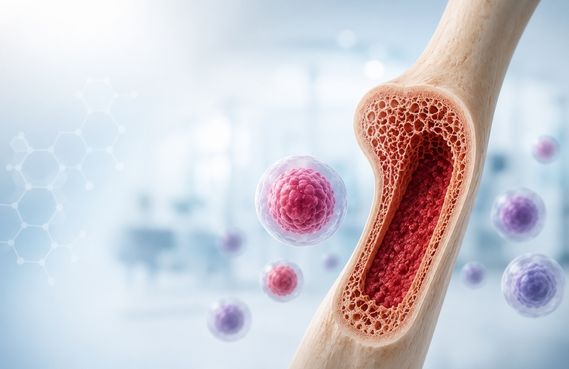
Bone marrow is the soft tissue found inside bones that produces red blood cells, white blood cells, and platelets. These cells are essential for carrying oxygen, fighting infections, and preventing excessive bleeding.
When the bone marrow becomes damaged due to blood cancer, genetic disorders, or certain medical conditions, it may no longer produce healthy blood cells. A bone marrow transplant replaces damaged or diseased bone marrow with healthy blood-forming stem cells, allowing the body to produce new, healthy blood cells and rebuild the immune system.
Stem cells may come from the patient or from a compatible donor, depending on the type of transplant being performed.
Why Are There Different Types of Bone Marrow Transplants?
Not every patient has the same medical condition or treatment requirements. The choice of transplant depends on several important factors, including:
- Type of blood disorder or cancer
- Disease stage
- Patient's age and overall health
- Response to previous treatments
- Availability of a suitable donor
- Genetic compatibility (HLA matching)
The transplant team carefully evaluates these factors before recommending the most appropriate transplant approach.
Autologous Bone Marrow Transplant
An autologous bone marrow transplant uses the patient's own healthy stem cells.
Before receiving high-dose chemotherapy, stem cells are collected from the patient's bloodstream and safely stored. After chemotherapy destroys the diseased bone marrow, these preserved stem cells are infused back into the patient's body.
When is Autologous Transplant Used?
This type of transplant is commonly recommended for:
- Multiple myeloma
- Certain types of lymphoma
- Selected blood disorders
Advantages
- No risk of graft-versus-host disease (GVHD)
- Faster immune recovery
- No donor search required
- Lower risk of immune rejection
However, because the patient's own cells are used, autologous transplantation is generally not suitable for many leukemia patients where cancer cells may already be present in the bone marrow.
Allogeneic Bone Marrow Transplant
An allogeneic bone marrow transplant uses healthy stem cells from a compatible donor.
The donor may be:
- A brother or sister
- A matched unrelated donor
- A volunteer donor from international donor registries
This is the most commonly performed transplant for patients with leukemia and many other serious blood disorders.
Conditions Treated
Allogeneic transplantation is frequently recommended for:
- Acute leukemia
- Chronic leukemia
- Aplastic anemia
- Myelodysplastic syndrome
- Certain inherited blood disorders
Benefits
One of the major advantages of allogeneic transplantation is the graft-versus-leukemia effect. The donor's immune cells help identify and destroy any remaining leukemia cells, reducing the risk of disease recurrence.
Although this approach offers significant benefits, it also carries a higher risk of complications such as graft-versus-host disease, requiring careful monitoring throughout recovery.
Haploidentical Bone Marrow Transplant
In the past, many patients could not undergo transplantation because a fully matched donor was unavailable. Today, haploidentical bone marrow transplantation has expanded treatment opportunities for these patients.
A haploidentical transplant uses a partially matched family donor, usually:
- Parent
- Child
- Brother
- Sister
Modern transplant techniques have made haploidentical transplantation increasingly successful, allowing more patients to receive life-saving treatment without waiting for a perfectly matched donor.
Advantages
- Increased donor availability
- Faster donor identification
- Suitable for many patients without matched siblings
- Excellent option when unrelated donors are unavailable
Syngeneic Bone Marrow Transplant
A syngeneic bone marrow transplant is the least common type of transplant.
This procedure is performed when the donor is an identical twin.
Because identical twins have the same genetic makeup, there is virtually no risk of graft-versus-host disease, and immune compatibility is excellent.
However, since identical twins are relatively uncommon, this transplant type is rarely performed.
Which Type of Bone Marrow Transplant is Right for You?
The choice of transplant varies from one patient to another.
Doctors consider several factors before recommending the most suitable transplant, including:
- Medical diagnosis
- Stage of disease
- Age
- Overall health
- Organ function
- Donor availability
- HLA compatibility
- Previous treatment response
A comprehensive transplant evaluation helps specialists determine the safest and most effective treatment approach for each individual.
Bone Marrow Transplant Evaluation
Before proceeding with transplantation, patients undergo a detailed medical assessment.
The evaluation generally includes:
- Blood investigations
- Bone marrow biopsy
- Imaging studies
- Heart and lung assessment
- Liver and kidney function tests
- Infectious disease screening
- HLA tissue typing
- Donor compatibility assessment
This comprehensive evaluation ensures patients are medically fit for transplantation while helping the transplant team develop a personalised treatment plan.
Recovery After Bone Marrow Transplant
Recovery following bone marrow transplantation is gradual and varies depending on the type of transplant performed.
Patients are closely monitored as the transplanted stem cells begin producing healthy blood cells. During this period, infection prevention, nutritional support, medication management, and regular laboratory monitoring are essential.
Although many patients return to normal daily activities within several months, complete immune recovery may take longer.
Regular follow-up visits help doctors monitor blood counts, manage complications, and ensure long-term transplant success.
Conclusion
Bone marrow transplantation has transformed the treatment of many life-threatening blood disorders by offering patients the opportunity for long-term remission and improved quality of life. Whether an autologous, allogeneic, haploidentical, or syngeneic transplant is recommended depends entirely on the patient's medical condition and individual treatment needs.
If you or a loved one has been advised to undergo a transplant, early consultation with experienced specialists is essential. Patients seeking a bone marrow transplant in Kochi can benefit from timely evaluation, expert guidance, and comprehensive transplant care tailored to their specific condition.
Internal Link Opportunity: Explore our Bone Marrow Transplant in Kochi services to learn more about donor evaluation, transplant procedures, and advanced stem cell transplant care.
Frequently Asked Questions
1. What are the main types of bone marrow transplant?
The four main types are autologous, allogeneic, haploidentical, and syngeneic bone marrow transplants.
2. Which type of bone marrow transplant is used for leukemia?
Most leukemia patients receive an allogeneic bone marrow transplant because donor immune cells can help eliminate remaining leukemia cells.
3. What is the difference between autologous and allogeneic bone marrow transplant?
Autologous transplantation uses the patient's own stem cells, while allogeneic transplantation uses stem cells from a compatible donor.
4. Who can become a bone marrow donor?
Healthy individuals with suitable HLA compatibility, including siblings, parents, children, or matched unrelated donors, may be eligible to donate.
5. Is a fully matched donor always required?
No. Many patients successfully undergo haploidentical bone marrow transplantation using a partially matched family donor.
6. Where can I receive advanced bone marrow transplant treatment in Kochi?
Rajagiri Hospital offers comprehensive Bone Marrow Transplant services, including donor evaluation, stem cell transplantation, specialised transplant care, and long-term follow-up.